
Search Utah Inmate Population
Utah inmate population searches often start with one question: is the person in a county jail, a state prison, or no longer in custody. Utah gives the public several ways to check that answer. The best search tool depends on where the person was booked, how recent the booking was, and whether you need a roster entry, a jail record, or a formal copy request. This page brings Utah inmate population tools together so you can move from statewide corrections pages to county jail systems, court records, and public records requests without jumping from one office to another blindly.
Utah Inmate Population Quick Facts
Utah Inmate Population Basics
The core statewide source is the Utah Department of Corrections. Utah says the department oversees the state prison system, community correctional centers, probation and parole supervision, and records work through its Records Bureau in Draper. The research file notes that the department oversees about 3,500 incarcerated people in state facilities and supervises more than 15,000 people on probation and parole. That matters because a Utah inmate population search can point to a prison, a community correctional center, or supervised release status, not just a county jail bed.
The department also works with counties through the Inmate Placement Program. So a Utah inmate population record is not always tied to one building forever. A person may enter through a county jail, then move into state custody, then appear in a different Utah search tool later. That is why the safest search method is to start with the statewide corrections pages, then move into the county page tied to the arrest location. Utah keeps those systems separate, but the records connect.
The Utah Department of Corrections homepage is the first statewide source to review when you need Utah inmate population information from the agency that runs state prisons and correctional programs.
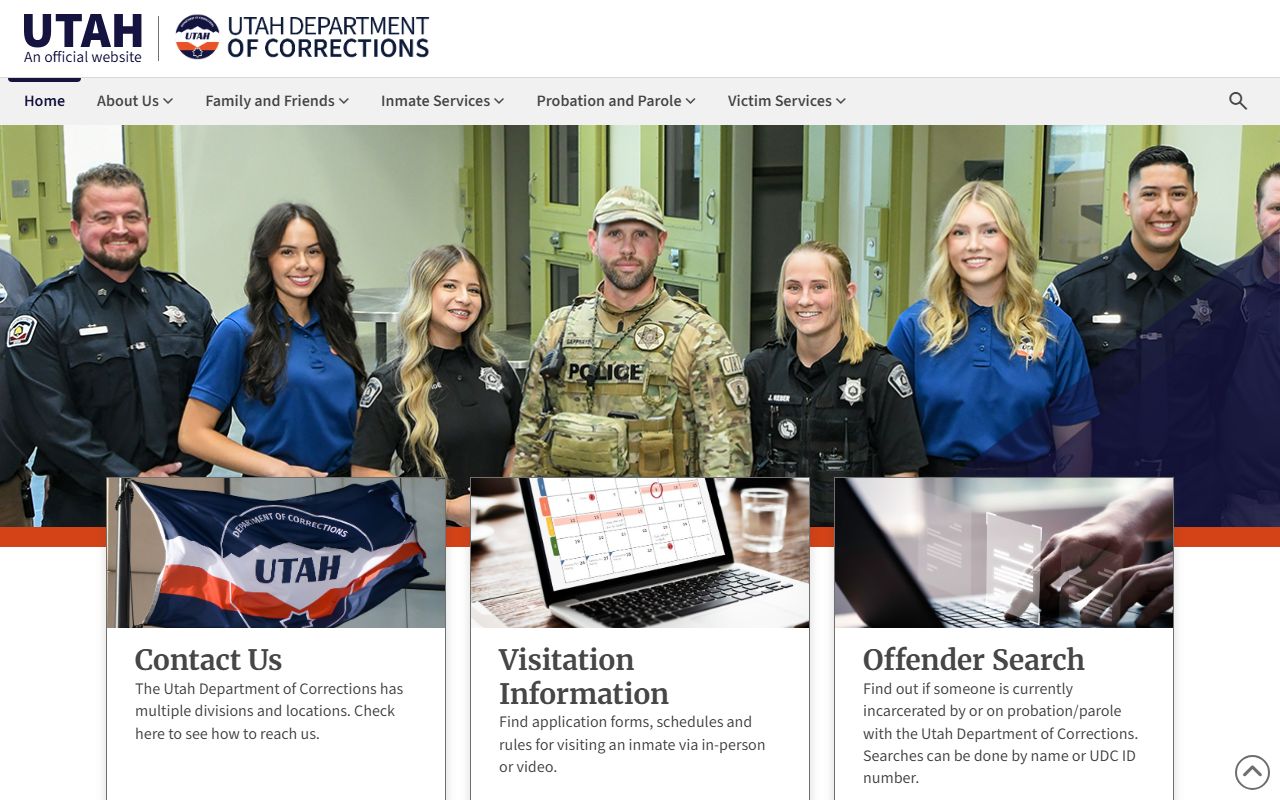
That page helps you move from a broad Utah inmate population search into the specific prison, records, and supervision tools that sit under the state corrections system.
Utah Inmate Population Search Tools
The most direct statewide locator is the Utah Department of Corrections offender search. Utah says the search accepts a first and last name, with an optional middle name, and also supports a direct offender number search. The tool is meant for people currently under department jurisdiction, which means current state custody or supervised status is the focus. It is not a deep historical archive. If a person was booked in a county jail but never entered state custody, the Utah inmate population result may never appear on this page.
Utah also points people to the statewide warrants search maintained by the Bureau of Criminal Identification. A warrant is not the same as an inmate population record, but it helps explain why a person may be booked or sought. For a broader legal search, the courts provide XChange case access and the main Utah Courts site. Those systems are useful when you need the case path behind a Utah inmate population entry, especially after charges are filed and court hearings begin.
Before you search, it helps to gather a few details:
- Full legal name or booking name
- Approximate booking date
- County or city of arrest
- Offender number or booking number if known
- Whether you are checking county or state custody
The official offender search tool is the statewide Utah inmate population page for current Department of Corrections jurisdiction and prison-related lookups.
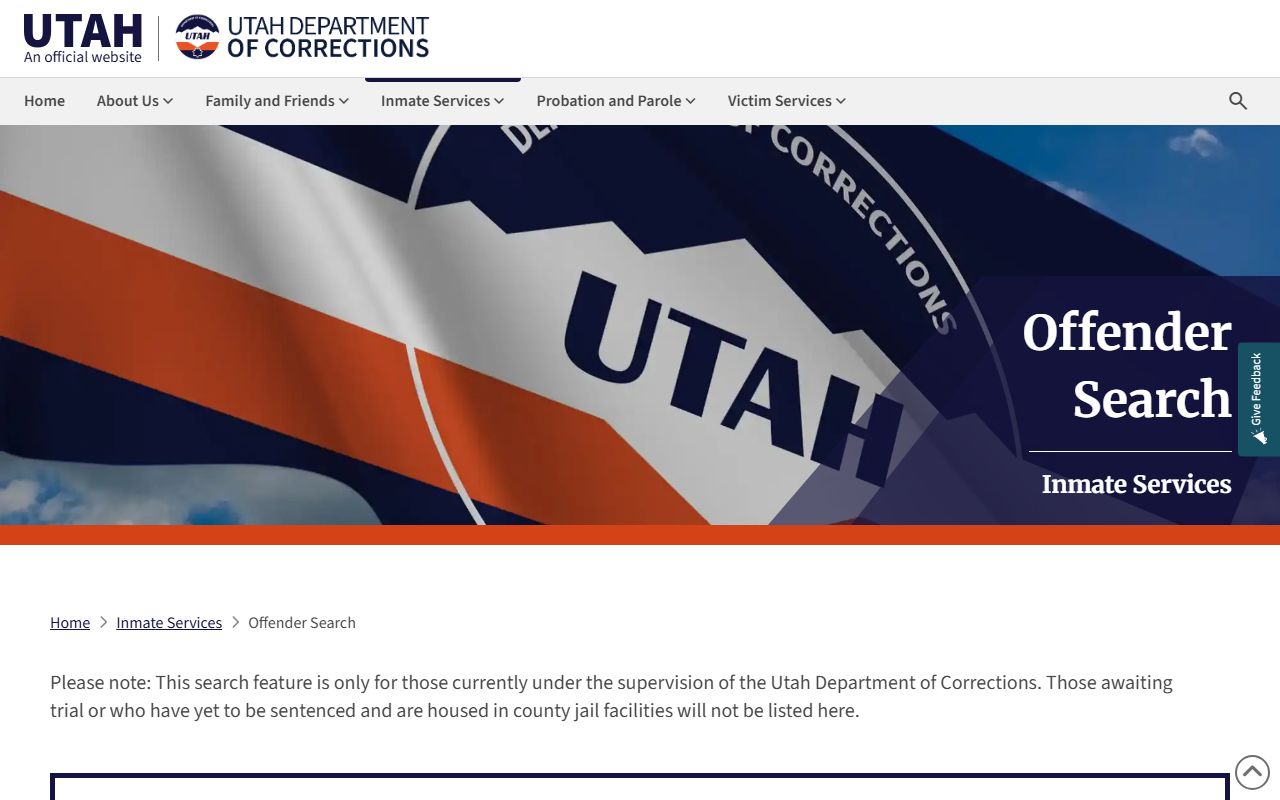
It is the best statewide Utah inmate population page when you need to check whether someone is now in state custody rather than only in a local jail.
Utah Inmate Population Records Requests
Not every Utah inmate population question is solved by a live search. Sometimes you need the paper side of the record. Utah handles that through the Bureau of Criminal Identification, county records offices, and the state records law known as GRAMA. The Utah Bureau of Criminal Identification is the central criminal history repository. The research notes BCI is in Taylorsville, open Monday through Friday from 8:00 AM to 5:00 PM, and handles name-based and fingerprint-based background records, warrants data, and other public safety record functions. While BCI is not a jail roster, it is often the right office when you need a formal statewide criminal history step tied to a Utah inmate population search.
The public records law is Utah Code Title 63G, Chapter 2, the Government Records Access and Management Act. Utah says agencies generally respond within 10 business days, or 5 business days for media requests. The first 15 minutes of staff time is free under the state rule summary, and agencies may charge for added staff time and copies. Utah also lets agencies require prepayment if the estimate goes over $50. Those rules matter when a Utah inmate population page does not show enough detail and you need a formal county or state request instead.
The BCI site is a key state-level source for Utah inmate population follow-up when a live search is not enough and you need the central criminal history office.
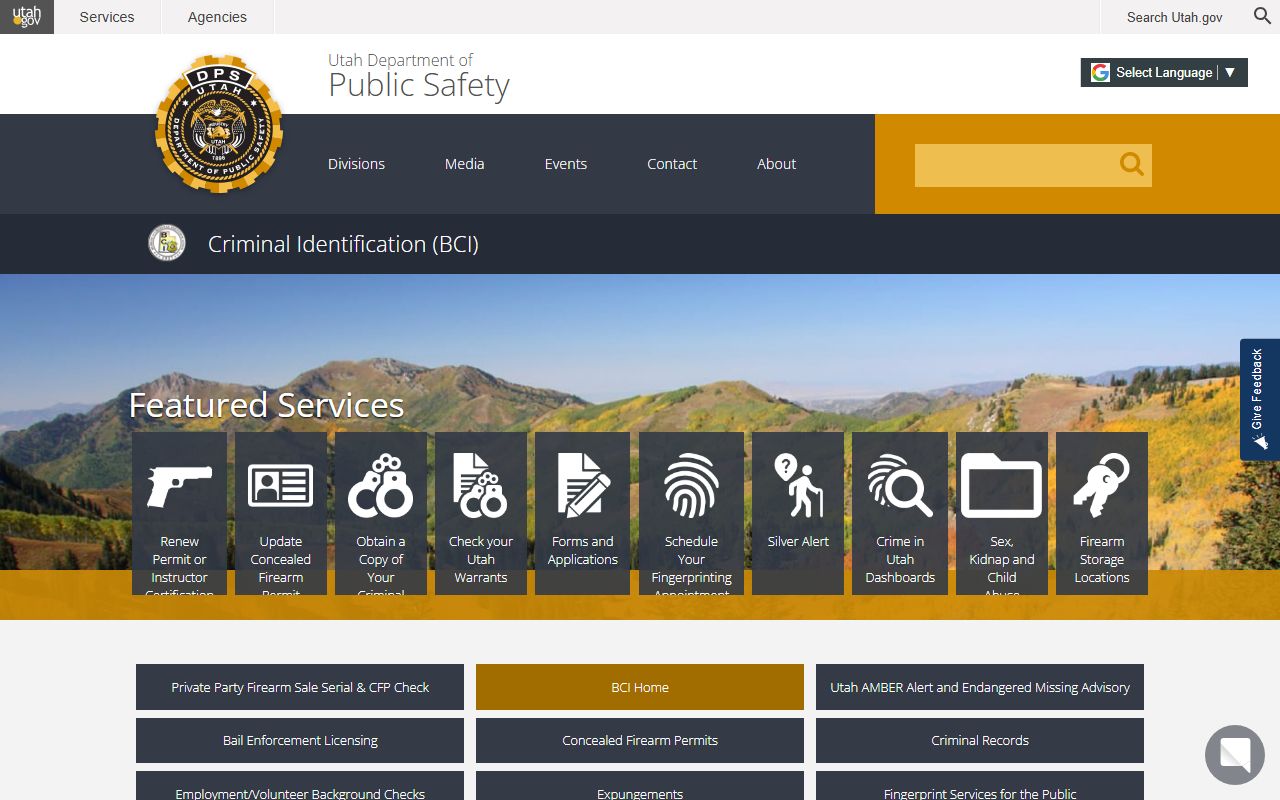
That page helps explain where Utah inmate population research overlaps with formal criminal history records, warrants, and state-level identification services.
The Utah Department of Public Safety also anchors statewide law enforcement services, training, emergency coordination, and BCI operations. It is not the main custody search page, but it gives useful Utah context when records, warrants, and public safety systems intersect.
The Department of Public Safety site connects the broader public safety side of Utah inmate population records to the agencies that support them statewide.
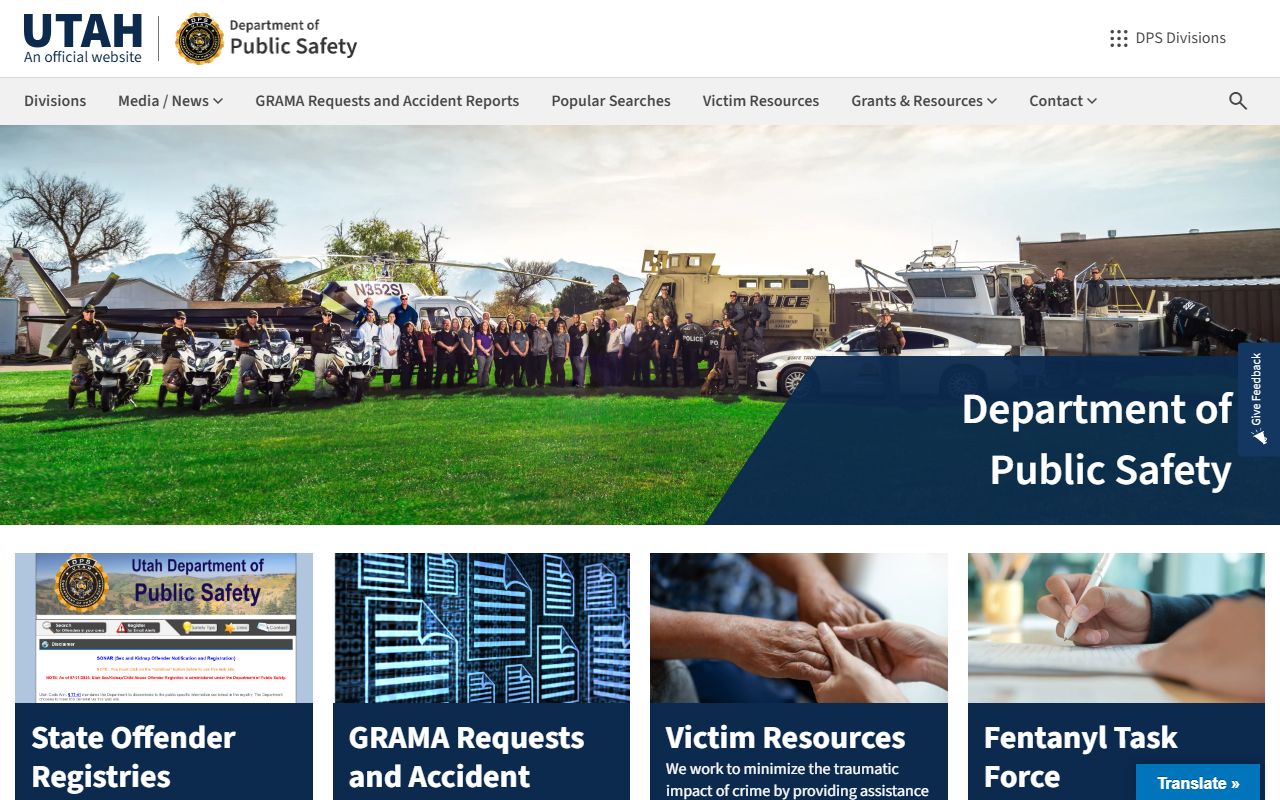
That source is helpful when a Utah inmate population search expands into warrant, identification, or statewide law enforcement questions.
Utah Inmate Population And Court Records
The courts matter because a Utah inmate population record is often only one slice of the case. The Utah Courts system covers district courts, justice courts, juvenile courts, appellate courts, and court administration. District courts are the general trial courts for criminal cases. Justice courts handle lower-level offenses. If a person appears in a Utah inmate population search and you need the court side, the courts site helps you move from custody status into docket information, clerk access, and local court contacts.
Utah also makes old court material available through the Utah State Archives court records page. That is useful when the search is older and no longer lives on a current county roster or Department of Corrections page. The archives preserve historical case files, minutes, judgment dockets, and records from older correctional settings. For present-day custody, stay with the jail or prison tool. For historical Utah inmate population research, the archives are often the better fit.
The Utah Courts homepage is the main official court source to pair with a Utah inmate population lookup when you need case-level context after a booking or prison record appears.
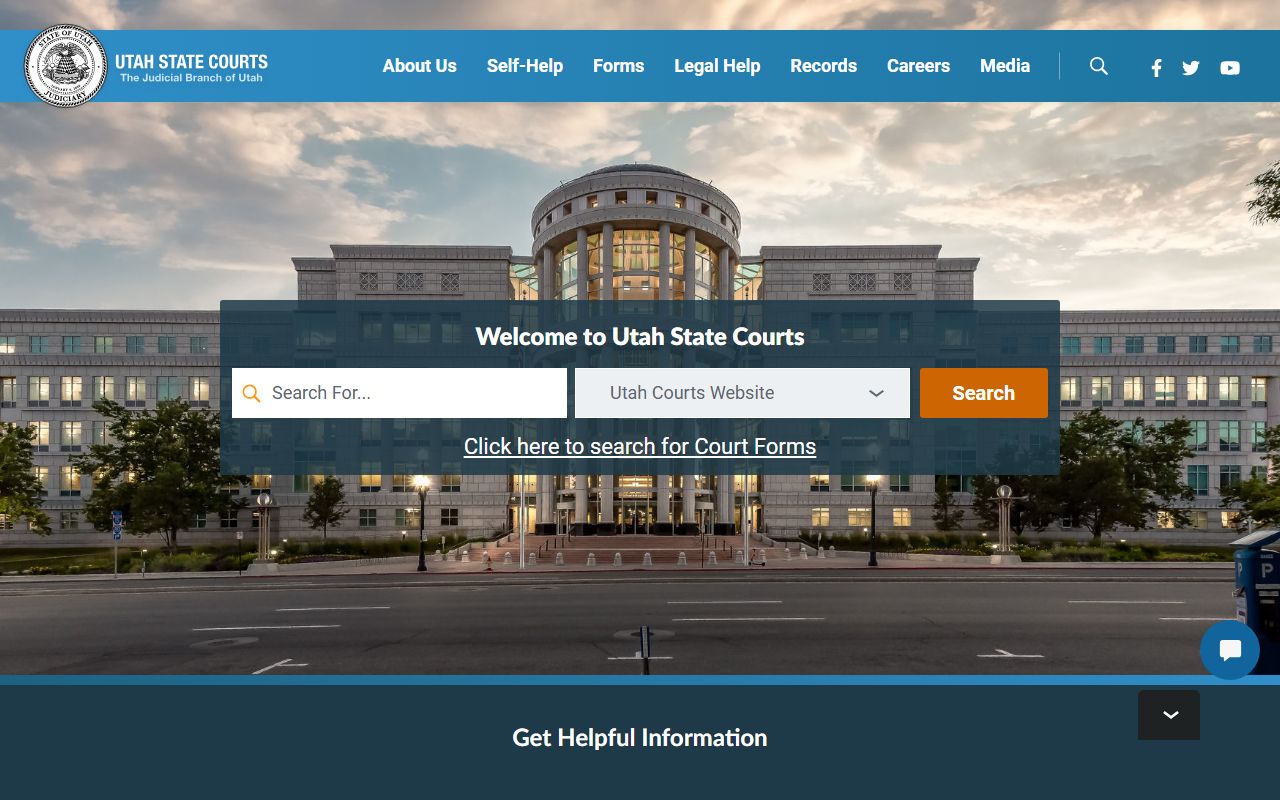
That page helps connect Utah inmate population searches to courts, clerks, and the judicial side of the criminal record.
The Utah State Archives court records page is the historical research source for older Utah inmate population and court record questions.
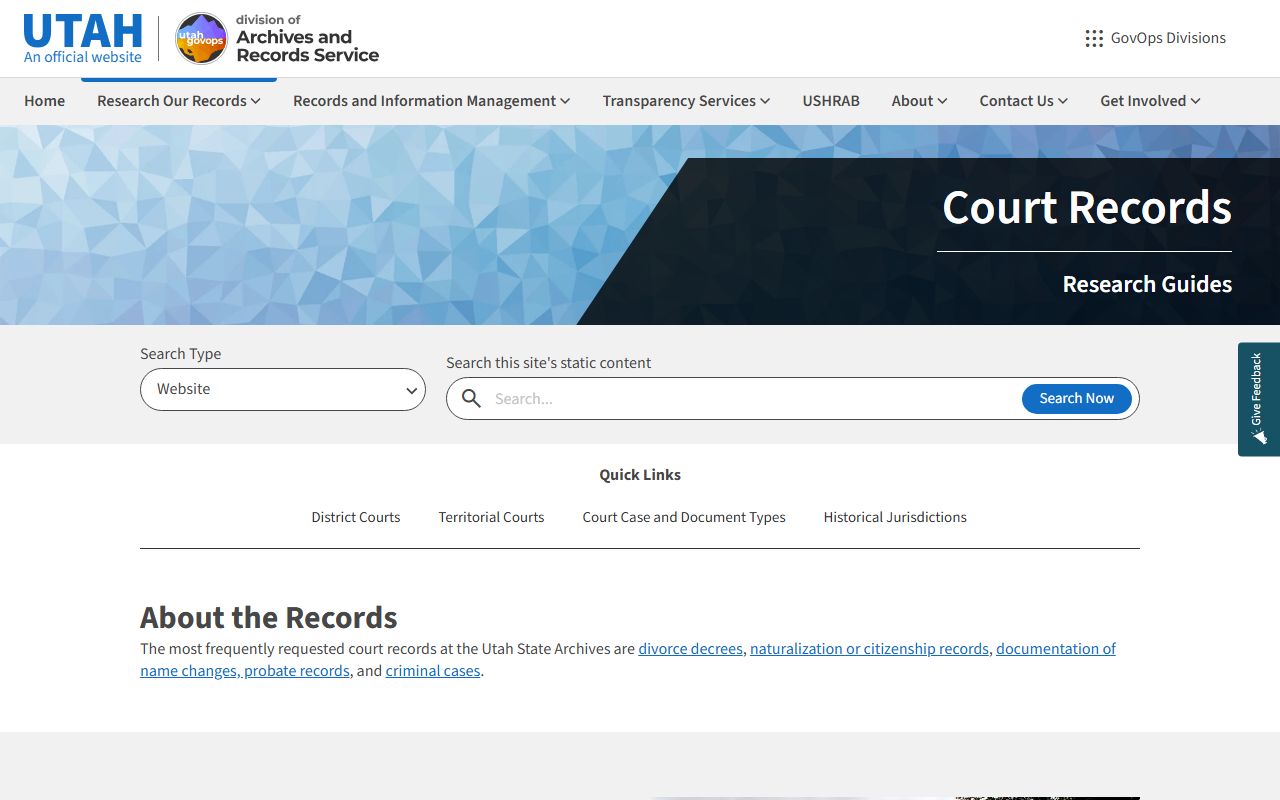
It gives Utah inmate population research a path into older files that no longer appear on modern jail or prison search pages.
Statutes also shape what the public can see. Utah Code Title 64, Chapter 13 sets the Department of Corrections structure. Utah Code provisions on protected records and privacy limits explain why mugshots, identifiers, medical details, or juvenile records may be removed from a Utah inmate population page. So when a result looks partial, that is often the law at work, not a broken website.
Utah Inmate Population Trends And Notifications
Utah also publishes system-level information that helps explain the numbers behind the daily search pages. The Utah Commission on Criminal and Juvenile Justice studies incarceration, recidivism, criminal justice data, and policy. The Utah Sentencing Commission studies sentence lengths, incarceration trends, and the impact of sentencing policy on prison and jail populations. Those are not live roster pages, but they give useful context when you want to understand why the Utah inmate population changes over time or why certain corrections policies affect bed use statewide.
For victim and family notification, Utah also points people to VINELink. The research describes it as a free and confidential custody-alert system that sends updates on release, transfer, or escape. That makes VINELink different from a normal Utah inmate population page. It is not just for a one-time search. It is for ongoing notice after you identify the right person in custody. If you need alerts instead of repeated manual checking, that is the Utah-linked tool to use.
The Utah Commission on Criminal and Juvenile Justice website is a strong source for statewide Utah inmate population analysis and criminal justice data.
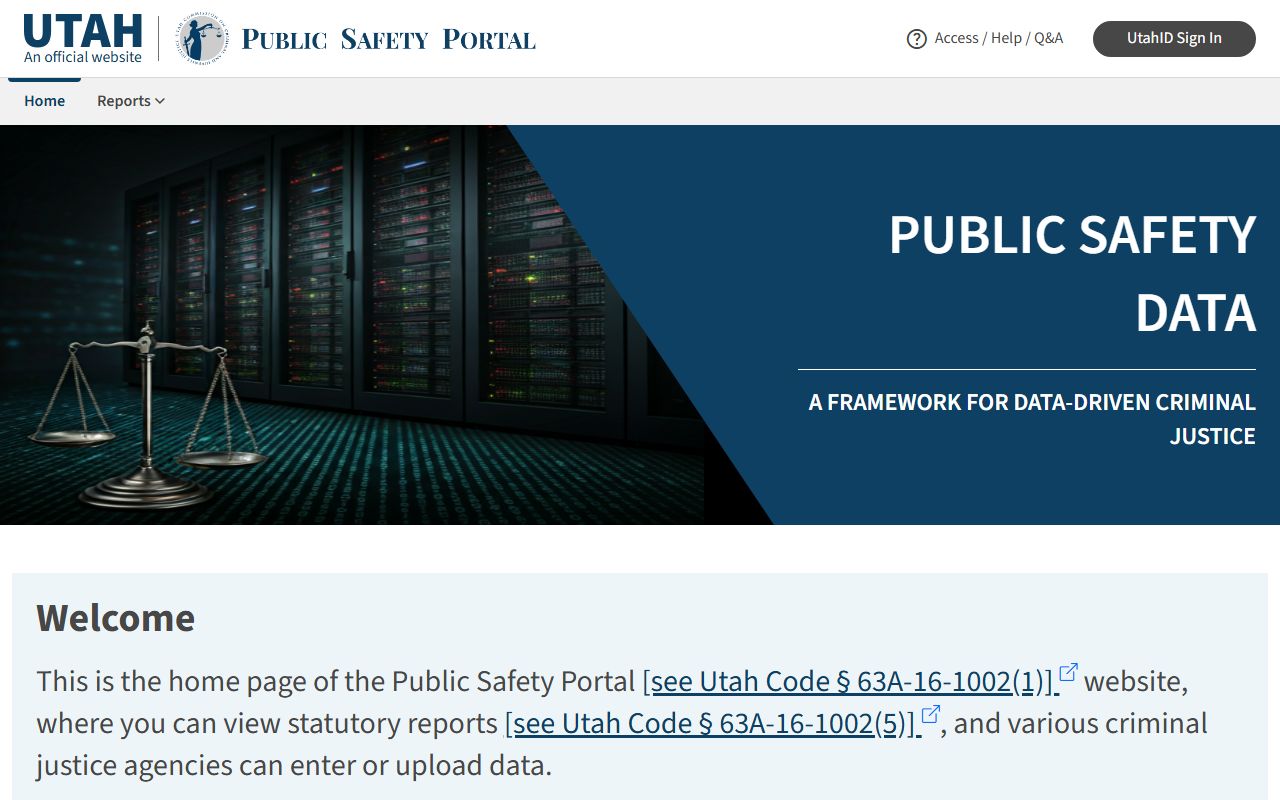
That page adds statewide research context when a Utah inmate population search needs more than one live jail or prison result.
VINELink is the high-authority notification service used for ongoing custody alerts connected to Utah inmate population records.
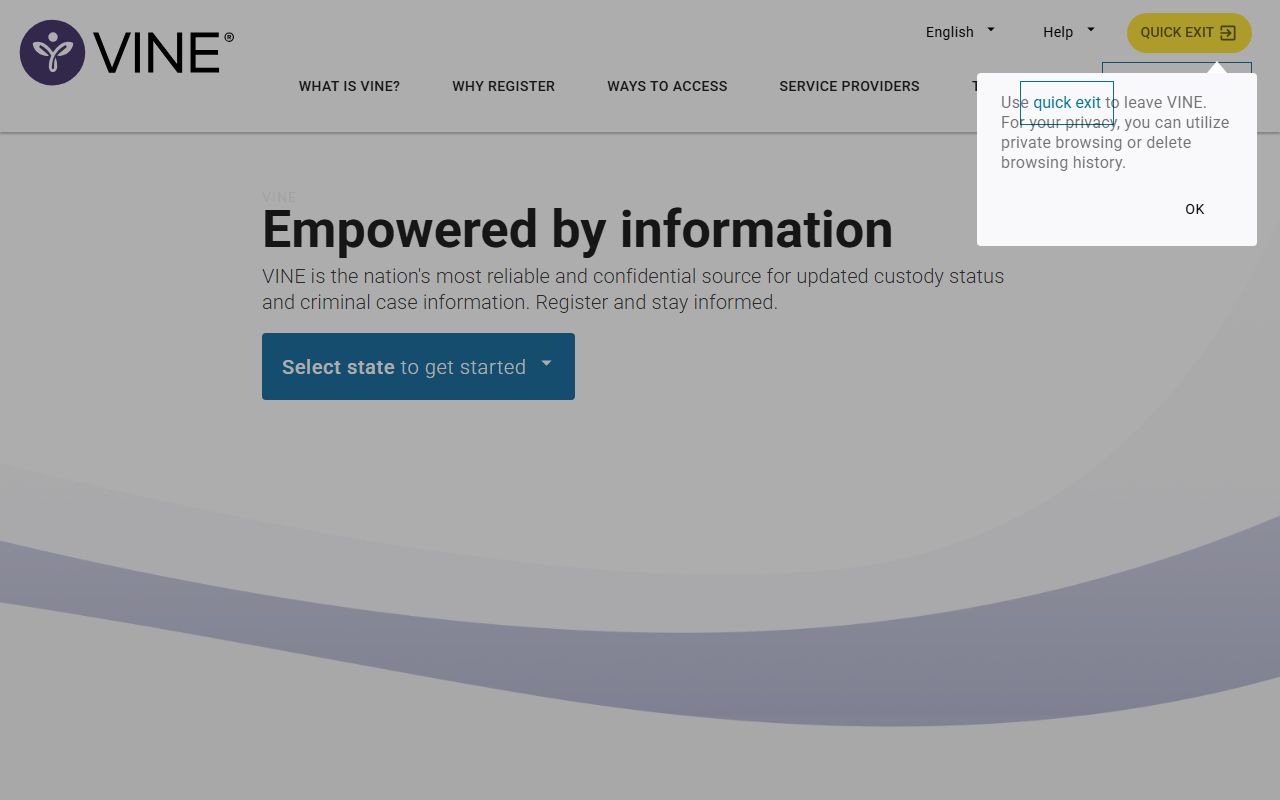
It is the practical next step when a Utah inmate population search turns into a need for release or transfer notifications.
Utah Inmate Population By County
County jail records are where many Utah inmate population searches begin. Each county sheriff runs its own jail tools, roster rules, and records process. Some counties post current rosters. Some limit photos. Some hold daily dockets for only a short span. If you know the county already, use the county page first. If not, start statewide and narrow down.
The current Utah county pages in this build now cover both large and small systems with very different search paths. Salt Lake County provides the Metro Jail and Oxbow search path. Utah County uses a 24-hour booking delay and keeps booking photos online for 30 days. Weber County publishes a sortable roster and detailed visitation rules. Daggett County has no active local jail, so the page is built around closure status, GRAMA, and transferred housing. Garfield County centers digital mail and NCIC messaging. Juab County ties local custody research to Visitel and off-site mail processing. Carbon, Emery, and Iron rely more heavily on county government and state court or corrections backups. Those county differences are exactly why a Utah inmate population site needs local pages rather than one generic statewide summary.
Utah Inmate Population In Cities
City pages matter too because a city arrest often starts with the police department, then shifts into county custody after booking. Salt Lake City moves most custody lookups into Salt Lake County jail tools. Provo relies on Utah County search pages after city booking. Ogden moves records into Weber County custody systems. That city-to-county handoff is a real part of Utah inmate population research, and it is why city pages need their own search guidance instead of copying county text.
Note: Utah inmate population tools can change by jurisdiction, so the arresting city, holding county, and state custody status should always be checked together before you assume a search is complete.